A metal catalogue can contain goods in several trademark classes. A steel beam, a filing cabinet and a machine assembly do not all fall in Class 6 simply because they are made of metal.
Classify each product by what it is and what it does. Then describe the goods accurately before searching the brand or preparing the application.
Where Class 6 starts
Class 6 covers common metals and their alloys, ores, relevant metal construction materials, non-electric metal wires/cables, certain small hardware, metal storage/transport containers and safes. The current WIPO explanatory notes ↗ give the headings and exclusions.
These are starting points, not permission to claim every metal article in one class. The finished item’s function can place it elsewhere.
Check these boundaries in a mixed catalogue
| Product | Review approach |
|---|---|
| Structural metal beam or metal building panel | Check the relevant Class 6 construction-goods term. |
| Non-electric metal cable | Distinguish it from an electrical cable, for which Class 9 needs review. |
| Metal filing cabinet | Review furniture classification rather than listing it automatically in Class 6. |
| Machine or vehicle assembly | Check the product’s function and the relevant machinery/vehicle entry. |
| Safe | Distinguish its intended security function from ordinary storage furniture. |
The earlier article included metal filing cabinets among Class 6 examples without that distinction. A material-only approach can produce the wrong specification.
Example: a fabrication workshop expands its range
Suppose a workshop makes metal gates and begins selling office cabinets under the same name. Put the gates and cabinets on separate rows. Attach a catalogue image and explain the function of each item. Review the correct goods term for each rather than adding “all fabricated metal products” to the application.
Do the same when the workshop begins selling a bought-in machine assembly. Sharing a supplier or brand does not make the assembly a building material.
Prepare a specification worksheet
For every product group, record the ordinary product name, function, technical description, proposed Nice wording and any uncertain boundary. Do not send only part numbers: the person reviewing the trademark needs to know what the buyer receives.
Rule 20 of the Trade Marks Rules, 2017 Official ↗ refers to the current Nice Classification. Check the edition applicable to the filing rather than treating an old printed class list as permanently complete.
Classification does not establish availability
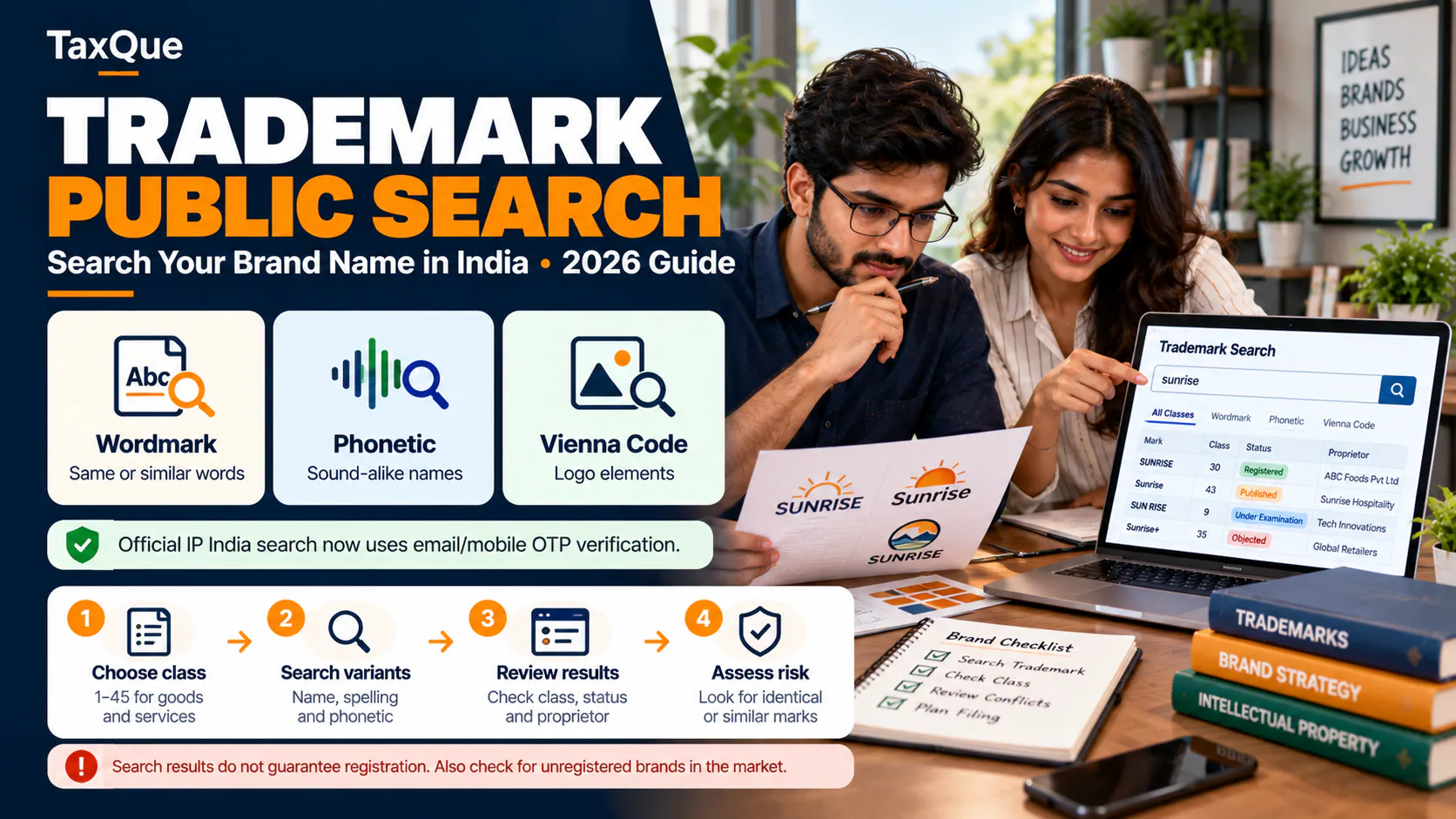
Search the proposed mark, similar wording and relevant related goods. Finding no identical name in one class does not establish that the application will succeed. Descriptiveness, similarity and other registration issues need their own analysis.
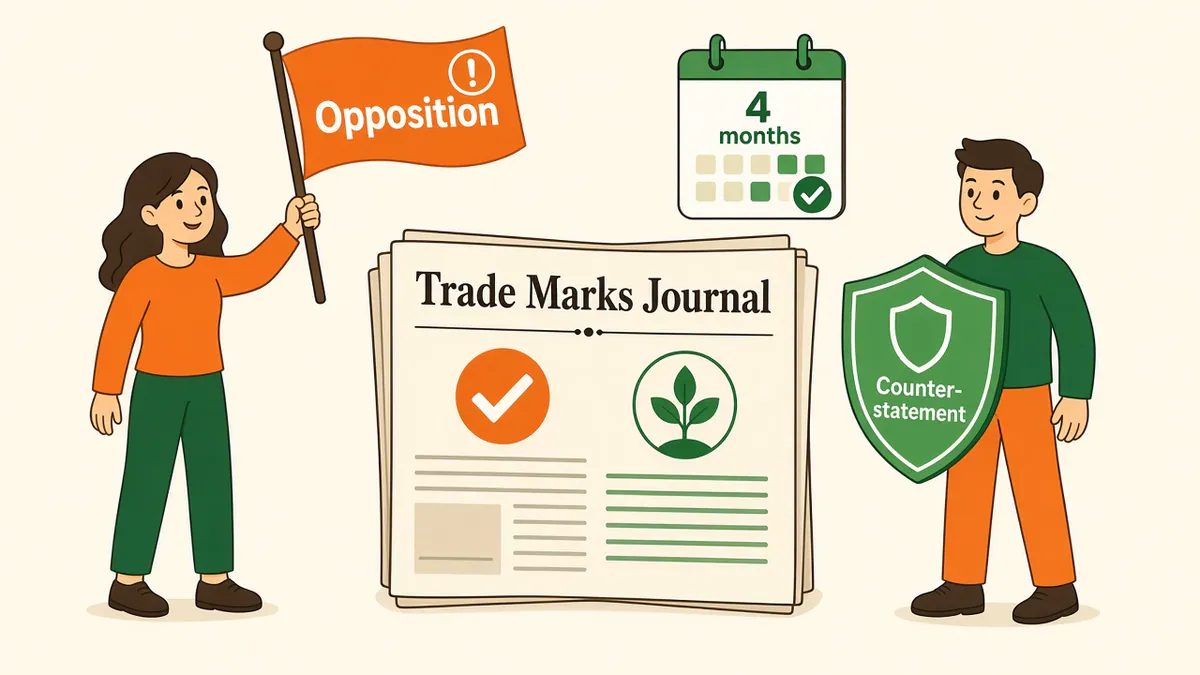
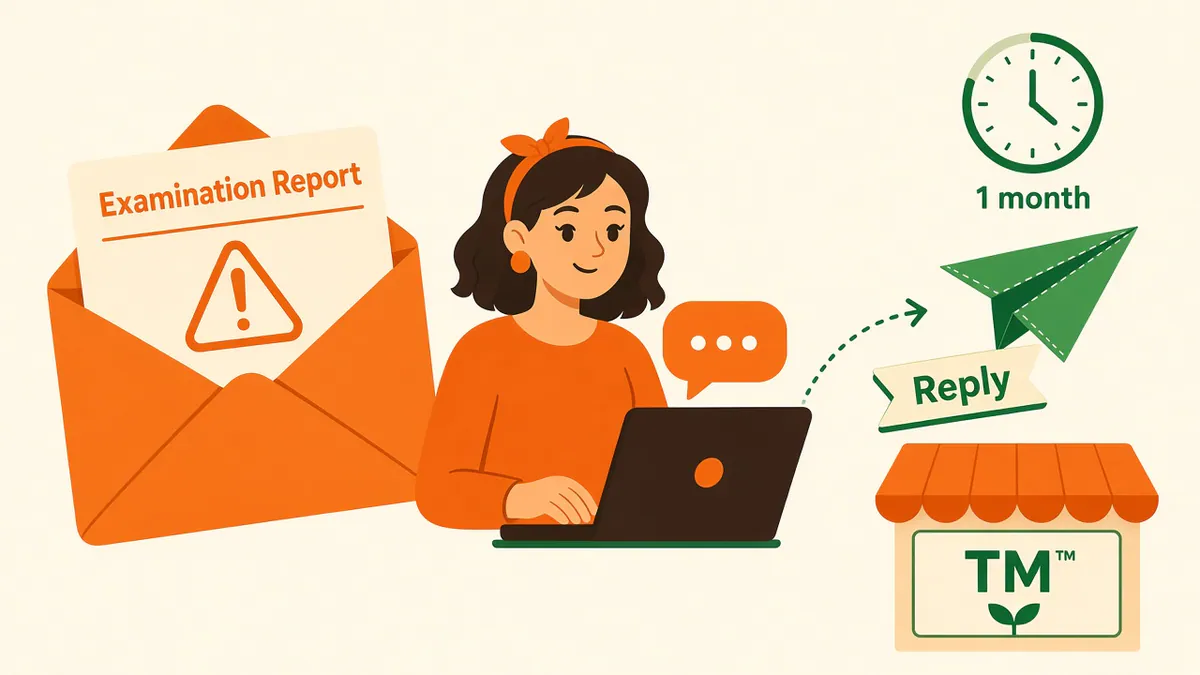
A filing is also not a registration certificate. Examination, any objections, publication and any opposition must be addressed through the prescribed process. Avoid statements suggesting that publication automatically guarantees registration.
Before approving the application
Read the applicant name, exact mark, goods specification, class selection and any claimed use date. Keep the evidence supporting a use claim and the final specification with the filing acknowledgement. If the catalogue later changes, compare the new goods with what was actually filed instead of assuming the class number protects the entire future business.